

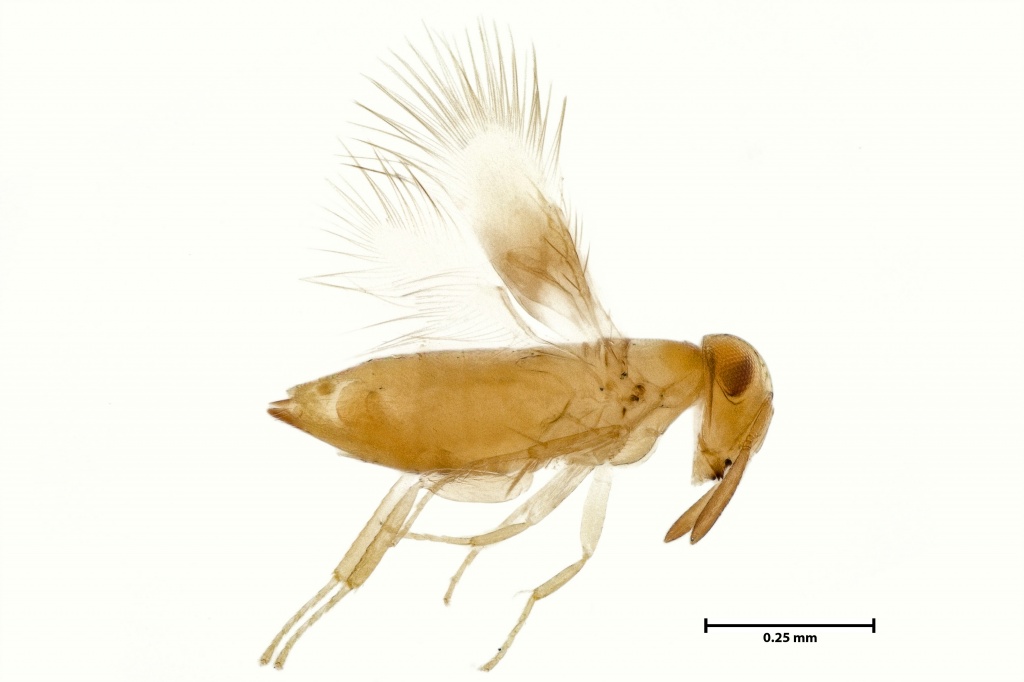
This Phase 1 project proposal supports evidence-based decision-making on the potential introduction of the parasitoid wasp Torymus sinensis as a biological control agent against the chestnut gall wasp Dryocosmus kuriphilus in the Azores. The chestnut gall wasp is a recently introduced pest in the archipelago and represents a significant threat to chestnut trees, for which effective chemical control options are limited. Although T. sinensis has been successfully used in parts of Europe and Asia, its deliberate introduction into an island ecosystem requires careful assessment because of possible dispersal, non-target effects and impacts on local biodiversity.
The project will be led by the University of the Azores, through the Azorean Biodiversity Group and the Gaspar Frutuoso Foundation, combining expertise in island arthropod biodiversity, biological control, pest management and ecological risk assessment. The main objectives are to identify native or naturalised Cynipidae, Torymidae and other potential natural enemies associated with chestnut gall systems in Terceira Island; assess whether these organisms may interact with T. sinensis; and conduct a controlled experimental release under field conditions.
Fieldwork will include systematic sampling across habitats using SLAM interception traps, foliage beating and visual inspection of galls. Where needed, molecular tools such as COI and ITS2 markers will support taxonomic identification. All data will be organised in a digital repository, with voucher specimens deposited in the Dalberto Teixeira Pombo collection and tissue samples conserved for future genetic analyses.
Over ten months, the project will deliver a detailed work plan, interim technical reports and a final assessment. The results will provide the scientific baseline needed for future specificity tests and for any later decision on safe, large-scale biological control in the Azores. This approach aligns pest management with island biodiversity safeguards.
Secretaria Regional de Agricultura e Alimentação
Direção Regional da Agricultura, Veterinária e Alimentação
